
Best Mattresses for Seniors
Sleep needs change significantly with age. Seniors commonly experience increased joint pain, reduced skin sensitivity (making pressure points harder to notice until they cause significant discomfort), reduced mobility (making entry/exit from the bed more challenging), and more fragmented sleep patterns. The right mattress addresses these specific needs rather than following general firmness recommendations that apply to younger adults.
What to Look For
Edge Support
Strong edge support is a safety and independence issue for seniors. A mattress that compresses significantly at the edge makes getting in and out of bed harder and creates fall risk. Look for edge support ratings of 7+/10.
Pressure Relief
Older adults have thinner skin and reduced subcutaneous fat, making pressure points more acute and healing slower. High pressure relief helps prevent discomfort and pressure sores in less mobile seniors.
Height and Ease of Transfer
A mattress that's too low (under 20 inches from floor including frame) makes standing up difficult. Many seniors benefit from mattresses in the 10–14 inch range combined with a taller bed frame.
Motion Isolation
Seniors often have lighter, more fragmented sleep and are more easily awakened by partner movement. Good motion isolation protects sleep continuity.
Temperature
Older adults often sleep cooler than younger adults and may prefer mattresses with some natural warmth. Extreme cooling mattresses are less appealing for cold-sensitive seniors.
Features to Prioritize
- ✓Strong edge support (7+/10) for safe entry/exit
- ✓High pressure relief for joint and skin comfort
- ✓Medium firmness (5–6.5/10) balancing pressure relief and support
- ✓Hybrid construction for responsive support and edge stability
- ✓Appropriate mattress height when combined with bed frame
Features to Avoid
- ✗Very low profile mattresses (under 8 inches) in isolation
- ✗Mattresses with poor edge support
- ✗Extreme cooling technology for cold-sensitive seniors
Our Top Picks for Seniors
Ranked by a weighted score based on the factors that matter most for seniors.

Leesa's premium flagship — Sapphire foam (proprietary cooling) + memory foam + zoned coils with a premium quilted cover. Available in Pottery Barn, West Elm, and Crate & Barrel.

The Dusk Elite is Helix's 15-inch luxury version of the Dusk feel profile, adding GlacioTex Elite cooling, microcoils, and additional foam layers.

The Midnight Elite is Helix's 15-inch luxury version of the Midnight feel profile, adding GlacioTex Elite cooling, microcoils, and additional foam layers.

The Moonlight Elite is Helix's 15-inch luxury version of the Moonlight feel profile, adding GlacioTex Elite cooling, microcoils, and additional foam layers.
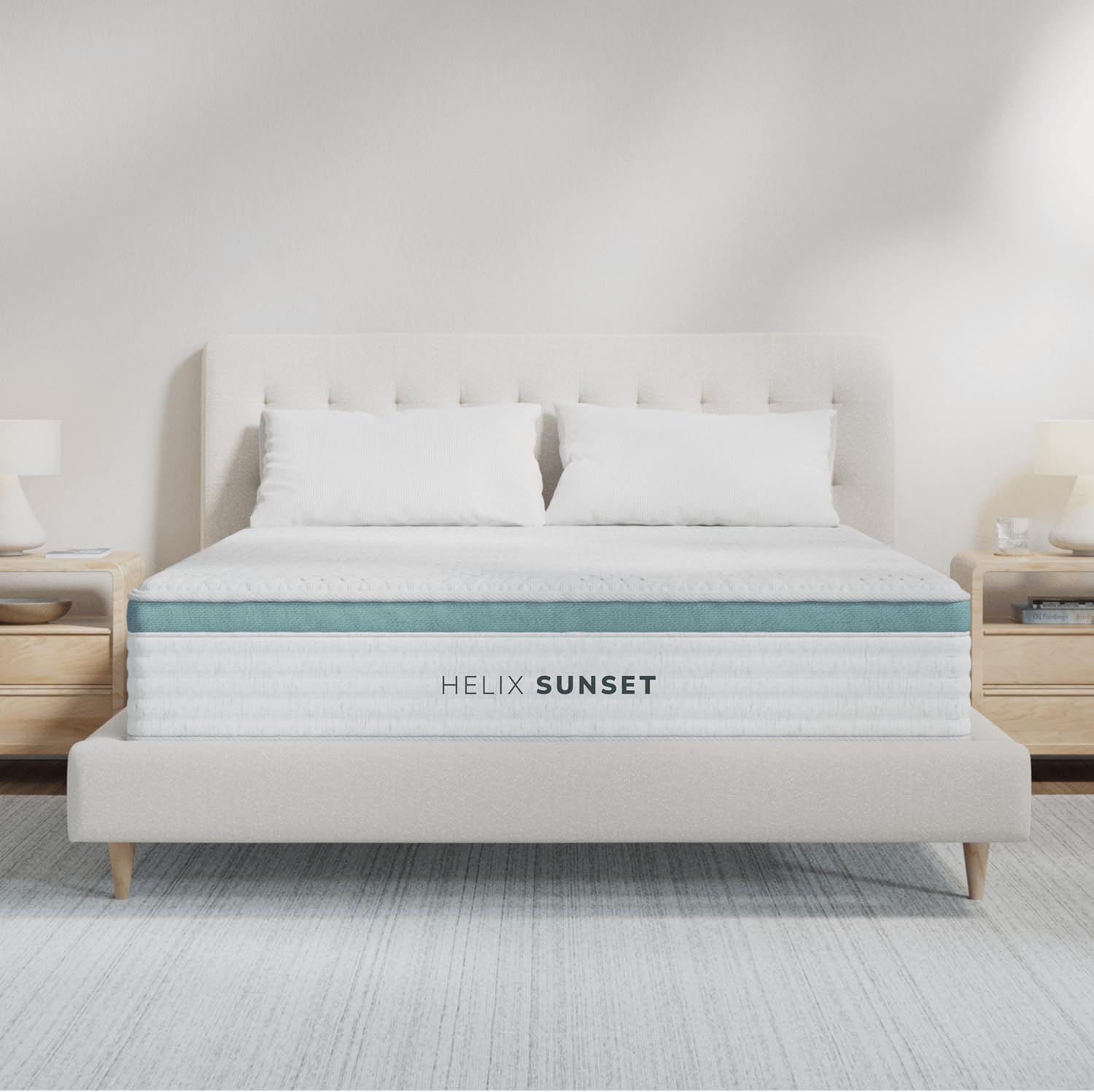
The Sunset Elite is Helix's 15-inch luxury version of the Sunset feel profile, adding GlacioTex Elite cooling, microcoils, and additional foam layers.

Bear's 14-inch luxury hybrid adds three firmness choices, copper-infused memory foam, zoned coils, and reinforced edge coils.

Bear's most advanced 13.5-inch hybrid adds Celliant, cooling quilt foam, copper memory foam, microcoils, and zoned coils.


Beautyrest Black Series Four Medium Pillow Top is the most premium current Black medium pillow-top option, adding 4K Nano Coils and extra premium foam layers.

The premium version of the Dusk, with a pillow top, zoned memory foam, TENCEL cover, and 48% less motion transfer than average hybrids — a top pick for couples.

The premium tier of Helix's best-selling Midnight line, adding a pillow top, zoned lumbar support, and optional GlacioTex cooling cover.
Best Mattresses for Seniors — Frequently Asked Questions
What firmness is best for seniors?
Medium to medium-firm (5–6.5/10) is the most commonly recommended range for seniors. This provides enough cushioning for pressure relief and joint comfort while maintaining the support needed for spinal alignment. Heavier seniors or those with specific back conditions may need firmer options.
Is memory foam good for seniors?
Memory foam provides excellent pressure relief, which is particularly valuable for seniors with joint pain or reduced skin resilience. The trade-off is that slow-response memory foam can make repositioning harder — a concern for seniors with limited mobility. Hybrid or latex options provide pressure relief with easier movement.
What mattress height is best for seniors?
The combined height of the mattress plus the bed frame should allow sitting on the edge with knees at approximately 90° — typically 20–24 inches total. A mattress in the 10–13 inch range combined with a standard or adjustable frame usually achieves this. Adjustable bases that raise the bed to a chair height can significantly ease entry/exit.
Are adjustable bases good for seniors?
Yes — adjustable bases can be transformative for seniors with back pain, acid reflux, COPD, or limited mobility. The zero-gravity position (head and legs slightly elevated) reduces pressure on the lumbar spine. The ability to raise the head of the bed to a near-sitting position makes getting out of bed much easier.
How often should seniors replace their mattress?
Seniors should replace their mattress when it shows signs of sagging, loss of support, or when it causes increased pain or sleep disruption — not necessarily on a fixed schedule. A mattress supporting a senior with pain concerns should be evaluated every 5–7 years even if it shows no visible wear.